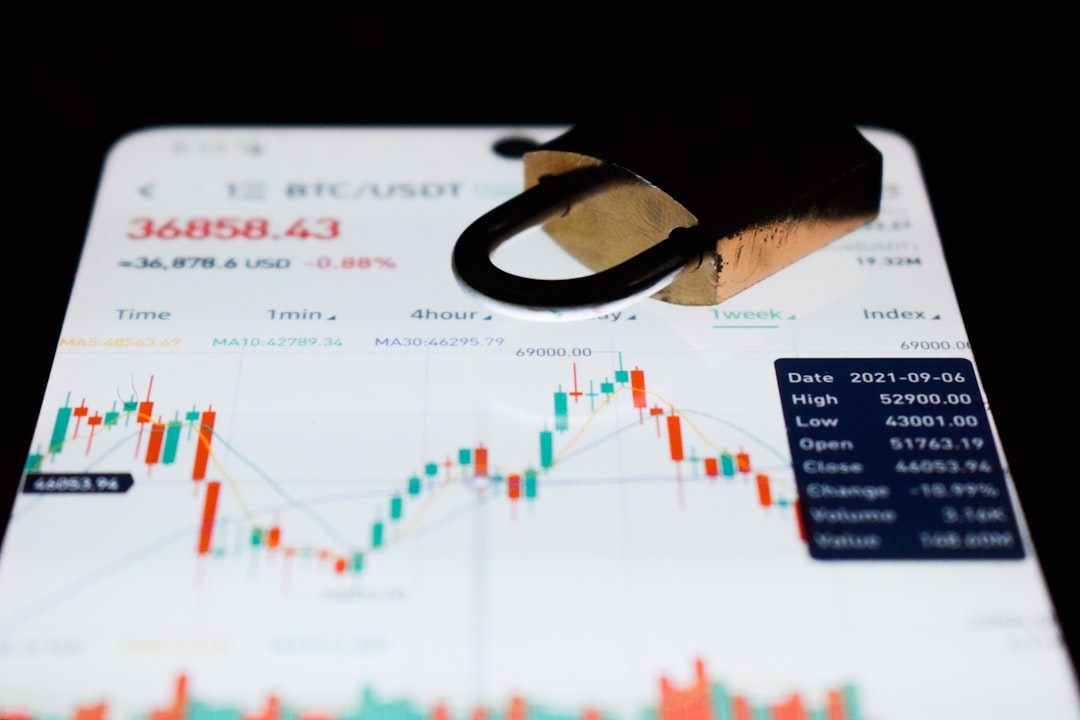
False breakouts are the single most expensive pattern for retail traders. The scenario replays endlessly across trading screens in Mumbai, Jakarta, and Manila: price pierces a key level, you enter the breakout, and within minutes the move reverses, stops you out, and continues in the original direction. Professional traders know that false breakouts are more common than genuine ones, especially during the Asian session when lower liquidity makes price more susceptible to temporary level violations. Distinguishing the real from the fake is a skill that immediately separates profitable traders from the majority who provide breakout liquidity to smart money.
Why False Breakouts Happen
False breakouts occur because institutional traders deliberately engineer price movements through support and resistance levels to access liquidity. Retail traders cluster their stop-losses just beyond visible levels. When institutions push price through the level, these stops trigger, providing the liquidity that institutions need to fill their large orders in the opposite direction. The institutional trader gets their fill; the retail trader gets stopped out.
Lower liquidity amplifies false breakout frequency. During the Asian session (05:30 to 13:30 IST), EUR/USD and GBP/USD liquidity is thin enough that moderate-sized orders can push price through levels temporarily without genuine institutional commitment. These Asian session false breakouts are particularly costly for Indian morning traders who attempt breakout strategies on non-Asian pairs during Tokyo hours.
News-driven false breakouts occur when an initial data reaction reverses after the market digests the full implications. An initially strong reaction to NFP might reverse within 30 minutes as traders reassess the data in context of forward guidance and other factors. These news fakeouts trap impulsive traders who entered on the initial spike without waiting for the dust to settle.
Identifying Genuine Breakouts: Volume Confirmation
Genuine breakouts carry conviction visible in volume expansion. On exchange-traded instruments like Nifty, a genuine breakout candle should show volume at least 1.5 times the 20-period average. On forex through MT5, tick volume serves as a proxy: rising tick volume on the breakout candle indicates genuine participation. Low-volume breakouts are suspect regardless of how far price moves beyond the level.
The breakout candle body size matters. A genuine breakout candle has a large body (close far from the broken level) with a small wick on the breakout side. A suspicious breakout shows a long wick beyond the level with a body that closes near or back inside the level. The wick indicates that price was rejected after the initial penetration, a hallmark of the false breakout liquidity sweep. Related reading: scalping strategies for Asian markets.
Multiple timeframe confirmation adds reliability. If price breaks above resistance on the H1 chart but the H4 candle has not closed above the level, the breakout is unconfirmed on the higher timeframe. Wait for the H4 close above the level before treating the breakout as genuine. This patience filter eliminates the majority of intrabar false breakouts that reverse before the higher timeframe candle completes.
The Retest Strategy: Trading After Confirmation
The retest approach waits for the breakout and then enters when price pulls back to test the broken level as new support (for upside breakouts) or new resistance (for downside breakouts). This polarity reversal creates one of the highest-probability entries in forex trading. If the broken level holds as new support with a bullish reversal candle on the retest, enter long with a stop below the new support zone.
The retest entry sacrifices the initial breakout move for dramatically higher success rates. Studies show that breakout trades entered on the initial move have success rates of approximately 40 to 50 percent. Retest entries on the same breakouts show success rates of 60 to 70 percent. The improved probability more than compensates for the slightly worse entry price.
Not all breakouts produce retests. Approximately 30 to 40 percent of genuine breakouts move so aggressively that price never returns to the broken level. Accept that you will miss these moves entirely. The trades you do take on retests will have superior risk-reward ratios (tight stop just beyond the level, wide target toward the breakout measured move) that compensate for the missed opportunities.
Session-Based Breakout Strategies for Indian Traders
Asian session range breakout: mark the high and low of the 06:00 to 13:00 IST range on EUR/USD. At the London open (13:30 IST), wait for a candle close beyond the Asian range. Enter in the breakout direction with a stop at the opposite boundary. This strategy exploits the volatility expansion that characterizes the Asian-to-London session transition. False breakout frequency is lower at the London open because institutional volume provides genuine directional commitment.
Pre-news range breakout: before a scheduled high-impact event (NFP at 19:00 IST, RBI at 10:00 IST), mark the 30-minute range prior to the release. After the data, wait for the initial spike and a 5-minute candle close beyond the range. Enter with a stop at the pre-news range midpoint. The event provides a catalyst that reduces the probability of false breakout because genuine information asymmetry drives the move. For more on this topic, see our price action trading techniques.
Avoid breakout trading during low-liquidity windows: the Asian session for EUR and GBP pairs (05:30 to 13:00 IST), the lunch hour overlap (11:30 to 13:30 IST), and the late New York session after 00:00 IST. These periods have the highest false breakout frequency due to thin order books. Reserve breakout strategies for the London session and London-New York overlap when liquidity supports genuine level breaks. See our breakout strategy guide for additional techniques.
Risk Management for Breakout Trading
Stop-loss placement for breakout trades: place your stop at the opposite side of the broken level rather than just beyond the breakout candle. If price breaks above resistance at 1.0900, place your stop below the resistance zone at approximately 1.0875 rather than at 1.0895 just below the breakout candle low. The wider stop survives the retests and minor pullbacks that frequently follow genuine breakouts.
Position size for breakout trades should be slightly smaller than your standard risk due to the inherently higher failure rate. If you normally risk 2 percent per trade, reduce breakout trade risk to 1 to 1.5 percent to account for the 40 to 50 percent false breakout rate. Save your full 2 percent risk allocation for retest entries where success probabilities are higher.
Set alerts at key levels rather than sitting at your screen waiting for breakouts. Price alerts on MT5 notify you when price approaches a significant level, at which point you switch to active monitoring for the breakout and confirmation sequence. This alert-based approach prevents boredom-driven entries during quiet periods when no genuine breakouts are developing.
Frequently Asked Questions
How do I know if a breakout is real or fake?
Genuine breakouts show volume expansion (1.5 times average or more), large candle bodies closing beyond the level, and higher timeframe confirmation. False breakouts show low volume, long wicks with small bodies, and failure to close beyond the level on higher timeframes.
What percentage of breakouts are false?
Approximately 50 to 60 percent of all breakout attempts on major forex pairs are false breakouts. During the Asian session, the false breakout rate is even higher at 60 to 70 percent due to lower liquidity. The retest strategy filters out most false breakouts. For more on this topic, see our Fibonacci trading strategy.
Should I trade breakouts during the Asian session?
Avoid breakout trading on EUR/USD and GBP/USD during the Asian session due to high false breakout rates. Trade USD/JPY and AUD/JPY breakouts during Tokyo hours where liquidity supports genuine moves. Reserve EUR and GBP breakouts for the London session from 13:30 IST onward.
What is the best breakout strategy for beginners?
The retest strategy is safest for beginners because it requires patience and confirmation rather than fast execution. Wait for the breakout, wait for the pullback to retest the broken level, and enter on the reversal candle at the new support or resistance zone.
Risk Disclaimer: Trading involves high risk. Educational content only. Contains affiliate links.